Introduction
In today’s fast-paced digital world, email etiquette plays a critical role in how we communicate professionally and personally. Whether you are sending a job application, responding to a colleague, or reaching out to a client, understanding emailetiquette ensures your message is clear, respectful, and effective. Poor email habits can lead to misunderstandings, missed opportunities, or even damage to your professional reputation, which is why mastering emailetiquette is essential.
At its core, emailetiquette refers to the set of guidelines and best practices that govern how emails should be written, formatted, and sent. It includes tone, structure, timing, and even technical considerations like subject lines and signatures. By applying proper emailetiquette, you demonstrate professionalism, clarity, and respect for the recipient’s time.
As communication continues to shift toward digital platforms, emailetiquette becomes even more important. Unlike face-to-face conversations, emails lack non-verbal cues, making it easier for messages to be misinterpreted. This guide will walk you through everything you need to know about emailetiquette, helping you communicate more effectively and confidently.
Why emailetiquette Matters in Professional Communication
Understanding emailetiquette is crucial because email remains one of the most widely used communication tools in business and academia. When you follow proper emailetiquette, you present yourself as organized, thoughtful, and professional, which can positively influence how others perceive you.
One key reason emailetiquette matters is clarity. Emails that follow good emailetiquette are easier to read and understand, reducing confusion and back-and-forth communication. This is especially important in professional settings where time is valuable and miscommunication can lead to costly mistakes.
Another reason emailetiquette is important is respect. By structuring your emails properly, using polite language, and responding promptly, you show consideration for the recipient. Ignoring emailetiquette, on the other hand, can come across as careless or even rude, potentially harming relationships.
Finally, emailetiquette helps maintain a professional tone. Even in casual workplaces, emails often serve as a written record, and following emailetiquette ensures that your messages remain appropriate and professional at all times.
Essential Components of Proper emailetiquette
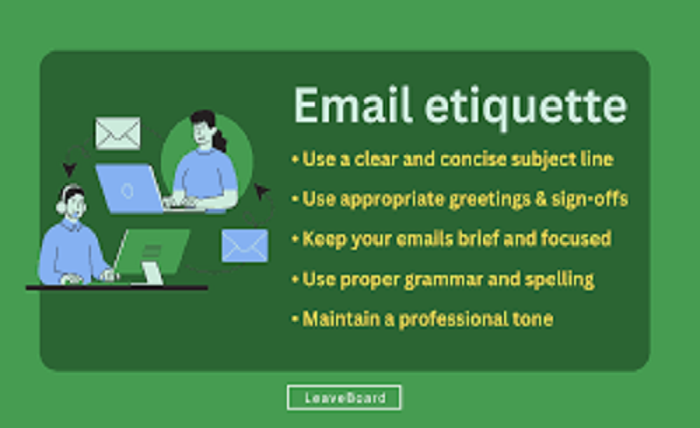
To master emailetiquette, it’s important to understand the key components that make up a well-written email. Each element contributes to the overall effectiveness of your communication and reflects your professionalism.
The subject line is one of the most important aspects of emailetiquette. A clear and concise subject line helps the recipient understand the purpose of your email immediately. Avoid vague or misleading subjects, as they can lead to confusion or your email being ignored.
The greeting is another essential part of emailetiquette. Starting your email with a polite and appropriate greeting sets the tone for the rest of the message. Depending on the context, you might use “Dear,” “Hello,” or “Hi,” followed by the recipient’s name.
The body of the email should be structured and easy to read, which is a key principle of emailetiquette. Use short paragraphs, bullet points if necessary, and clear language to convey your message effectively. Avoid long, dense blocks of text that can overwhelm the reader.
Closing your email properly is also part of good emailetiquette. Use a polite closing phrase such as “Best regards” or “Sincerely,” followed by your name. Including a professional email signature further enhances your emailetiquette by providing additional context about who you are.
Common emailetiquette Mistakes to Avoid
Even experienced professionals can make mistakes when it comes to emailetiquette, and being aware of these common pitfalls can help you avoid them. One frequent mistake in emailetiquette is using an unclear or missing subject line, which can cause your email to be overlooked.
Another common issue in emailetiquette is using an inappropriate tone. Emails that are too casual, overly formal, or emotionally charged can create misunderstandings. Maintaining a balanced and professional tone is a key aspect of good emailetiquette.
Overusing “Reply All” is another violation of emailetiquette that can clutter inboxes and annoy recipients. Always consider whether everyone included in the thread needs to see your response before hitting “Reply All.”
Neglecting proofreading is also a major emailetiquette mistake. Spelling errors, grammatical mistakes, and typos can make your email appear unprofessional. Taking a moment to review your message before sending is a simple but important part of emailetiquette.
Professional Tone and Language in emailetiquette
Tone and language are central to emailetiquette, as they determine how your message is perceived. A professional tone should be polite, respectful, and neutral, avoiding slang, jargon, or overly casual expressions that may not be appropriate in all contexts.
Using clear and concise language is a fundamental principle of emailetiquette. Avoid unnecessary words or complex sentences that can make your message harder to understand. Instead, focus on delivering your message in a straightforward and effective manner.
Another important aspect of emailetiquette is being mindful of cultural differences. In global communication, what is considered polite in one culture may not be in another. Adapting your tone and language accordingly is an advanced but valuable part of emailetiquette.
Additionally, emailetiquette involves managing emotions. Avoid sending emails when you are angry or frustrated, as this can lead to regrettable messages. Taking time to compose yourself ensures that your email aligns with proper emailetiquette.
emailetiquette for Workplace Communication
In the workplace, emailetiquette is especially important because emails often serve as official records of communication. Following proper emailetiquette helps maintain professionalism and ensures that messages are taken seriously.
One key aspect of workplace emailetiquette is timeliness. Responding to emails promptly shows respect and reliability. Even if you cannot provide a full response immediately, acknowledging receipt of the email is a good practice in emailetiquette.
Another important element of workplace emailetiquette is clarity in instructions and requests. Clearly stating what you need from the recipient helps avoid confusion and ensures efficient communication.
Confidentiality is also a critical part of emailetiquette in professional settings. Be cautious about sharing sensitive information and ensure that emails are sent to the correct recipients.
Finally, workplace emailetiquette includes proper formatting. Using bullet points, headings, and spacing makes your email easier to read and demonstrates attention to detail.
emailetiquette for Personal and Casual Emails
While emailetiquette is often associated with professional communication, it is equally important in personal and casual emails. Even in informal settings, following basic emailetiquette ensures your messages are clear and respectful.
In personal emails, emailetiquette allows for a more relaxed tone, but it should still be polite and considerate. Avoid overly casual language that could be misinterpreted, especially when communicating with acquaintances or new contacts.
Another aspect of emailetiquette in personal communication is responsiveness. Replying in a timely manner shows that you value the relationship and respect the other person’s time.
Using proper formatting is also part of emailetiquette, even in casual emails. Breaking your message into paragraphs and avoiding excessive abbreviations makes your email easier to read.
Ultimately, emailetiquette in personal emails helps maintain positive relationships and ensures effective communication, regardless of the level of formality.
Advanced Tips to Master emailetiquette
Once you understand the basics, mastering emailetiquette involves adopting more advanced strategies to enhance your communication. One such tip is tailoring your emails to the recipient. Understanding their preferences and expectations allows you to apply emailetiquette more effectively.
Another advanced aspect of emailetiquette is managing email threads. Keeping conversations organized by replying within the same thread helps maintain context and avoids confusion.
Using attachments appropriately is also part of advanced emailetiquette. Always mention attachments in the email body and ensure that files are correctly labeled and relevant to the message.
Scheduling emails is another useful technique in emailetiquette. Sending emails at appropriate times increases the likelihood of a timely response and shows consideration for the recipient’s schedule.
Finally, continuously improving your emailetiquette by seeking feedback and observing others can help you refine your communication skills over time.
Conclusion
Mastering emailetiquette is essential for effective communication in both professional and personal contexts. By understanding and applying the principles of emailetiquette, you can ensure that your emails are clear, respectful, and impactful.
From crafting strong subject lines to maintaining a professional tone, every aspect of emailetiquette contributes to how your message is received. Avoiding common mistakes and adopting advanced techniques can further enhance your email communication skills.
Ultimately, emailetiquette is about more than just following rules—it’s about building relationships, conveying professionalism, and communicating with confidence. By practicing good emailetiquette consistently, you set yourself apart as a thoughtful and effective communicator.
FAQs
1. What is emailetiquette?
Emailetiquette refers to the set of rules and best practices for writing and sending emails in a professional and respectful manner.
2. Why is emailetiquette important?
Emailetiquette is important because it ensures clear communication, maintains professionalism, and helps build positive relationships.
3. What are the key elements of emailetiquette?
The key elements of emailetiquette include a clear subject line, proper greeting, structured body, polite tone, and appropriate closing.
4. How can I improve my emailetiquette?
You can improve your emailetiquette by proofreading emails, using clear language, maintaining a professional tone, and responding promptly.
5. Does emailetiquette apply to personal emails?
Yes, emailetiquette applies to personal emails as well, helping ensure clarity, respect, and effective communication in all contexts.