Introduction
House chores are an unavoidable part of daily life, yet they often feel overwhelming, repetitive, and time-consuming. Whether you live alone, with family, or share space with roommates, house chores play a critical role in maintaining a clean, healthy, and organized environment. Many people struggle to stay consistent with house chores because they lack a system, motivation, or understanding of how to make these tasks more manageable. The good news is that with the right approach, house chores can become less stressful and even satisfying.
The Importance of House Chores
House chores are not just about keeping your home looking neat; they directly impact your physical and mental well-being. When house chores are done regularly, they help reduce dust, allergens, and bacteria, creating a healthier living space. Beyond hygiene, house chores also contribute to a sense of control and accomplishment. Walking into a clean home after completing house chores can significantly improve your mood and reduce anxiety.
Another important aspect of house chores is discipline. Developing a routine around house chores builds responsibility and time management skills. Children who participate in house chores often grow up with a stronger sense of accountability, while adults who stay consistent with house chores tend to feel more productive in other areas of life.
Creating a Practical House Chores Routine
A well-structured routine is essential for managing house chores effectively. Without a plan, house chores can pile up quickly and become overwhelming. Start by listing all the house chores you need to complete weekly, such as cleaning, laundry, cooking, and organizing. Then, divide these house chores into daily, weekly, and monthly tasks.
For example, daily house chores may include washing dishes and making the bed, while weekly house chores might involve vacuuming and bathroom cleaning. Monthly house chores can include deep cleaning tasks like washing windows or decluttering closets. By breaking house chores into manageable chunks, you prevent burnout and maintain consistency.
Consistency is key when it comes to house chores. Even spending just 15–20 minutes a day on house chores can make a significant difference over time. The goal is not perfection but progress.
Time-Saving Tips for House Chores
One of the biggest challenges people face with house chores is finding the time to complete them. However, with a few smart strategies, you can significantly reduce the time spent on house chores. Multitasking is one effective method—such as doing laundry while cooking or cleaning surfaces while waiting for something to boil.
Another useful tip is to keep cleaning supplies easily accessible. When house chores tools are within reach, you’re more likely to complete tasks immediately instead of postponing them. Additionally, adopting the “clean as you go” method can prevent house chores from accumulating. For instance, washing dishes right after use reduces the need for a large cleanup later.
Using modern tools and appliances can also make house chores faster and more efficient. Investing in a vacuum cleaner, dishwasher, or washing machine can significantly reduce the effort required for house chores.
Making House Chores More Enjoyable
House chores don’t have to be boring or tedious. In fact, there are many ways to make house chores more enjoyable. Listening to music, podcasts, or audiobooks while doing house chores can transform the experience into something relaxing or entertaining. This simple change can make time pass quickly and reduce the mental resistance to house chores.
Another approach is to turn house chores into a game or challenge. Setting a timer and trying to complete house chores within a specific timeframe can make tasks more engaging. You can also reward yourself after completing house chores, which creates a positive association with these tasks.
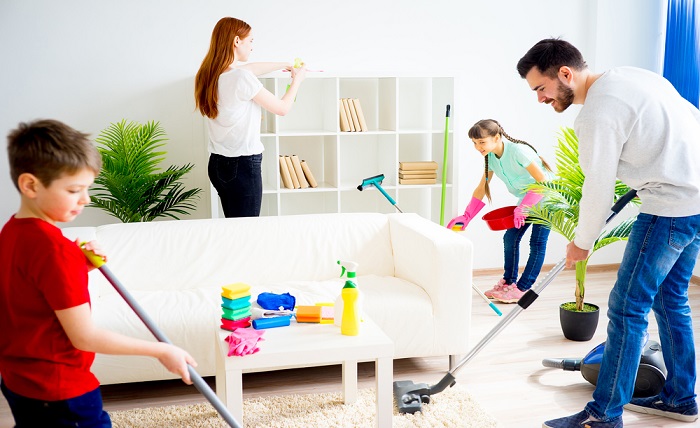
Involving family members can also make house chores more enjoyable. When everyone contributes, house chores feel less like a burden and more like a shared responsibility. This not only reduces workload but also strengthens relationships.
Teaching Kids About House Chores
Introducing children to house chores at an early age is essential for building life skills. House chores teach kids responsibility, teamwork, and independence. Start with simple house chores such as picking up toys, making the bed, or helping set the table. As children grow older, they can take on more complex house chores like doing laundry or cleaning their rooms.
It’s important to make house chores age-appropriate and manageable. Encouragement and positive reinforcement go a long way in motivating children to participate in house chores. Instead of forcing them, try to make house chores fun and rewarding.
Parents should also lead by example. When children see adults consistently doing house chores, they are more likely to adopt the same habits. Over time, house chores become a natural part of their routine rather than something they resist.
Common Mistakes to Avoid with House Chores
Many people struggle with house chores because of common mistakes that make tasks more difficult than necessary. One major mistake is procrastination. Delaying house chores often leads to a buildup of work, making it harder to catch up later. Tackling house chores immediately prevents this issue.
Another mistake is trying to do all house chores at once. This approach can quickly lead to exhaustion and frustration. Instead, focus on completing house chores in smaller, manageable segments. Overloading yourself with house chores is not sustainable in the long run.
Lack of organization is another factor that complicates house chores. Without a system, it’s easy to forget tasks or duplicate efforts. Creating a checklist or schedule can help streamline house chores and ensure nothing is overlooked.
Minimalism and Its Impact on House Chores
Adopting a minimalist lifestyle can greatly reduce the burden of house chores. The fewer items you own, the fewer house chores you need to manage. Decluttering your home eliminates unnecessary belongings, making cleaning and organizing much easier.
Minimalism encourages intentional living, where every item has a purpose. This approach simplifies house chores because there is less to clean, maintain, and organize. For example, fewer clothes mean less laundry, and fewer decorations mean less dusting.
By embracing minimalism, house chores become quicker and less stressful. This allows you to spend more time on activities you enjoy rather than constantly managing your environment.
Conclusion
House chores are an essential part of maintaining a clean, organized, and healthy home. While they may seem overwhelming at times, the right strategies can make house chores more manageable and even enjoyable. By creating a routine, using time-saving techniques, and involving others, you can transform your approach to house chores.
Consistency, planning, and a positive mindset are the keys to mastering house chores. Instead of viewing house chores as a burden, consider them an opportunity to create a comfortable and welcoming living space. With the tips and insights shared in this guide, you can take control of your house chores and improve your overall quality of life.
FAQs
1. Why are house chores important?
House chores are important because they maintain cleanliness, improve health, and create a comfortable living environment. Regular house chores also promote discipline and reduce stress.
2. How can I stay motivated to do house chores?
Staying motivated with house chores can be achieved by creating a routine, listening to music, setting goals, and rewarding yourself after completing house chores.
3. How often should house chores be done?
House chores should be divided into daily, weekly, and monthly tasks. Daily house chores include basic cleaning, while deeper house chores can be done weekly or monthly.
4. What are the easiest ways to manage house chores?
The easiest way to manage house chores is by creating a schedule, breaking tasks into smaller steps, and using time-saving tools to simplify house chores.
5. Can house chores reduce stress?
Yes, completing house chores can reduce stress by creating a clean and organized environment, which positively impacts mental well-being and productivity.