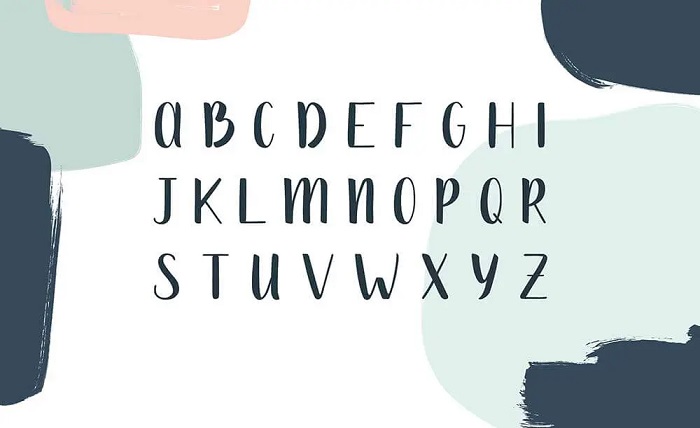
The concept of yazı tipi stili refers to font style and typography choices that define how written text appears visually in digital and print media. Understanding yazı tipi stili is essential because it directly affects readability, emotional tone, and user engagement. Whether in websites, branding, or graphic design, yazı tipi stili plays a powerful role in shaping how messages are perceived. In today’s digital world, designers and content creators rely heavily on yazı tipi stili to create visually appealing and effective communication.
The History and Evolution of Yazı Tipi Stili
The evolution of yazı tipi stili dates back to ancient calligraphy, where handwriting styles were used to express culture and identity. Over time, printing technology revolutionized yazı tipi stili, introducing standardized fonts that made mass communication possible. With the rise of computers and the internet, yazı tipi stili expanded into thousands of digital fonts, giving designers unlimited creative freedom. Today, yazı tipi stili continues to evolve with modern UI/UX trends, responsive design, and variable fonts.
Different Categories of Yazı Tipi Stili
There are several categories within yazı tipi stili, each serving a unique purpose in design and communication. Serif fonts are often used in formal documents, while sans-serif fonts dominate digital screens due to their clean appearance. Decorative and script-based yazı tipi stili are commonly used for branding and artistic projects. Monospace fonts are widely used in coding environments. Understanding these categories of yazı tipi stili helps designers choose the right visual tone for their projects.
How Yazı Tipi Stili Impacts User Experience
The influence of yazı tipi stili on user experience cannot be underestimated. A well-chosen yazı tipi stili improves readability, reduces eye strain, and helps users navigate content easily. Poor selection of yazı tipi stili, on the other hand, can make content confusing and unappealing. Websites, mobile apps, and digital platforms rely on yazı tipi stili to maintain consistency and professionalism. In UX design, yazı tipi stili is a core factor in keeping users engaged and satisfied.
Yazı Tipi Stili in Branding and Marketing
In branding and marketing, yazı tipi stili plays a crucial role in shaping brand identity. Companies carefully choose yazı tipi stili to reflect their personality, whether it is modern, luxury, playful, or professional. For example, a luxury brand might use elegant serif yazı tipi stili, while a tech company might prefer minimal sans-serif styles. Consistent use of yazı tipi stili across logos, advertisements, and websites strengthens brand recognition and trust among customers.
Digital Tools for Creating Yazı Tipi Stili
Modern designers use various digital tools to explore and implement yazı tipi stili effectively. Software like Adobe Illustrator, Photoshop, and online font generators allow users to experiment with different yazı tipi stili options. Google Fonts and Adobe Fonts provide extensive libraries of yazı tipi stili that can be used freely in web and print projects. These tools make it easier than ever to customize yazı tipi stili for both personal and professional use.
Psychology Behind Yazı Tipi Stili
The psychology of yazı tipi stili focuses on how different font styles influence human perception and emotion. A bold yazı tipi stili can create a sense of confidence and strength, while a handwritten yazı tipi stili may evoke creativity and friendliness. Studies show that yazı tipi stili can significantly affect how people interpret messages and brands. Designers use this psychological impact of yazı tipi stili to guide user behavior and emotional response.
Future Trends in Yazı Tipi Stili
The future of yazı tipi stili is driven by technology and innovation. Variable fonts, AI-generated typography, and responsive yazı tipi stili are becoming increasingly popular. These advancements allow yazı tipi stili to adapt dynamically to different screen sizes and user preferences. As digital communication continues to grow, yazı tipi stili will play an even more important role in personalization and interactive design experiences.
Conclusion
In conclusion, yazı tipi stili is much more than just visual decoration—it is a fundamental element of communication, design, and branding. From historical calligraphy to modern digital interfaces, yazı tipi stili has continuously evolved to meet changing needs. Understanding and applying yazı tipi stili effectively can dramatically improve readability, user experience, and brand identity. As technology advances, the importance of yazı tipi stili will only continue to grow in the digital world.
FAQs
1.What is yazı tipi stili?
Yazı tipi stili refers to font styles and typography choices used to visually present written text in digital and print media.
2.Why is yazı tipi stili important in design?
Yazı tipi stili is important because it improves readability, enhances aesthetics, and helps communicate the right emotional tone.
3.What are the main types of yazı tipi stili?
The main types of yazı tipi stili include serif, sans-serif, script, decorative, and monospace fonts.
4.How does yazı tipi stili affect branding?
Yazı tipi stili helps brands establish identity, consistency, and recognition through visual communication.
5.What is the future of yazı tipi stili?
The future of yazı tipi stili includes AI-generated fonts, variable typography, and responsive design systems that adapt to user needs.